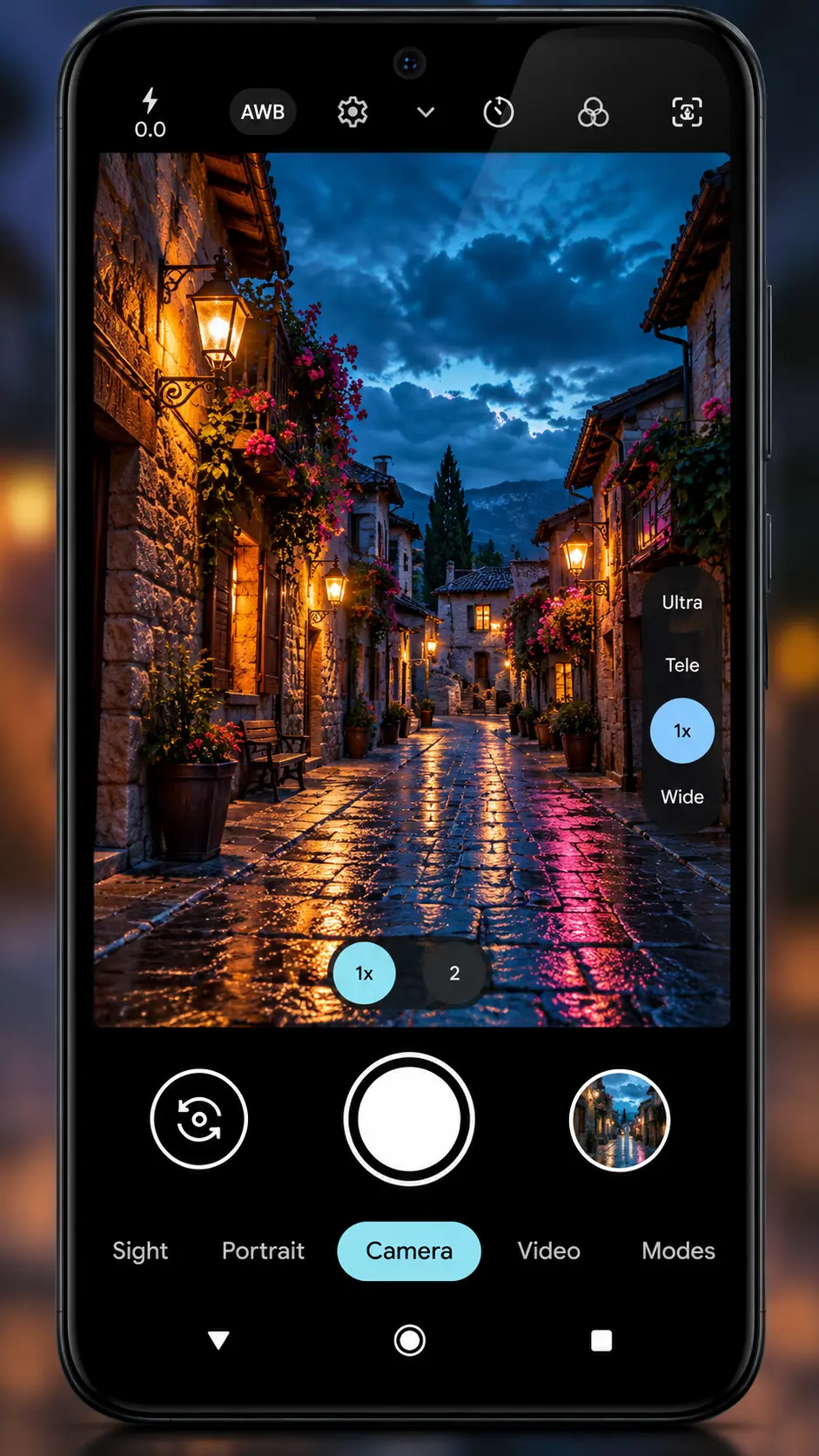
LMC 8.4 Camera Settings
Download LMC 8.4 Camera APK to unlock stunning photography with enhanced HDR, sharper details, natural colors, and advanced camera controls on your Android phone.
LMC 8.4 Camera Settings
Good photographs depend on more than choosing a camera application. Lighting, composition, focus, and processing settings all influence the final result.This LMC 8.4 camera for iphone settings guide explains how to adjust supported controls. You will also learn how to compare results without changing too many settings at once.
Understand the Camera Interface
LMC interfaces can differ between releases and package variants. Some builds place important controls around the viewfinder, while others organize options inside menus.Start by identifying the shutter button, lens selector, shooting modes, and settings menu. Learn where these controls appear before changing advanced processing options.Keep your first test simple. Capture a photograph using the default settings so you have a reference for later comparisons.
Adjust Exposure and Focus
Control Exposure in Bright Scenes
Exposure determines how light or dark a photograph appears. If a bright sky loses detail, try reducing exposure slightly before taking another picture.When a subject looks too dark, increase exposure carefully. Excessive adjustment can remove highlight detail or make bright areas appear washed out.Use the same scene when comparing different exposure settings. This makes differences easier to recognize.
Focus on the Main Subject
Focus determines which part of a scene appears sharp. Tap the main subject when your camera supports tap-to-focus.For close-up subjects, keep the phone steady and allow the camera to settle. Small movements can change focus, especially when the subject sits close to the lens.
Use Focus and Exposure Lock
Some builds provide controls that lock focus or exposure. These controls can help maintain consistency when recomposing a shot.Availability and control locations vary between devices. If the option does not appear, check the documentation for your installed version.
Set White Balance and Color
Understand Color Temperature
White balance affects how warm or cool the colors appear. Indoor lighting can create yellow tones, while other conditions may produce cooler colors.Automatic white balance works well in many everyday situations. Manual adjustments can help when automatic processing produces unwanted color casts.
Keep Skin Tones Natural
Strong color adjustments can make portraits look unnatural. Compare skin tones with neutral objects in the same scene.Change one setting at a time and capture a fresh sample. Avoid applying several aggressive adjustments before checking the result.
Understand HDR and Image Processing
HDR Options
HDR processing helps balance scenes with bright and dark areas. It can preserve useful detail when the lighting range exceeds what one exposure handles well.However, moving subjects may appear blurred in some multi-frame situations. Test HDR settings with both stationary and moving subjects.
Sharpness and Noise Reduction
Sharpness controls can emphasize edges and fine details. Too much sharpening may create halos or make textures look harsh.Noise reduction can smooth grain in darker photographs. Excessive smoothing may remove fine details from skin, hair, and surfaces.Use moderate settings and compare the original image with your adjusted result.
Build a Repeatable Camera Setup
A reliable setup should produce results you like across your common photography situations. Start with the default configuration and adjust only the controls you understand.Create separate tests for daylight, indoor scenes, portraits, and low light. Record which settings produce useful results in each situation.If your build supports configuration export, save a backup before experimenting further. This gives you a way to restore a working setup.
Settings Problems and How to Restore Defaults
If photographs suddenly look different, review your recent changes. Restore the previous settings or load a known working configuration when available.If the application becomes unstable, test it without custom XML settings. Confirm that the problem disappears before changing other controls.Do not assume every online settings recommendation suits your phone. Camera hardware and software differences can change the results significantly.
Frequently Asked Questions
What Are the Best LMC 8.4 Camera r18 Settings?
There is no single best setup for every phone. Start with default settings and adjust them according to lighting and personal preferences.
How Can I Improve Portrait Photos?
Use balanced lighting, focus carefully, and keep background blur moderate. Check the subject’s edges before saving the final image.
Should I Increase Sharpness for Every Photo?
No. Excessive sharpening can make details look artificial. Compare moderate settings before choosing a preferred level.
Can I Save Custom Settings?
Some builds support saving and loading configurations. Follow the instructions for your installed release.
Final Thoughts
The best camera setup is one you understand and can reproduce. Small, controlled adjustments make it easier to learn how each option affects your photographs.
Start with exposure, focus, and white balance before exploring advanced processing. Compare your results in similar conditions and keep backups of settings that work well.